
Born in Naples – the spiritual home of pizza – founder Luigi Esposito grew up surrounded by the traditions, flavours, and fiery passion that define Neapolitan cuisine. At Via Napoli, he’s brought that same energy to Australia, creating a place where food isn’t just eaten — it’s celebrated.
From the moment you step inside, you’re transported to the bustling streets of Napoli. The air is rich with the scent of mozzarella di bufala, crushed San Marzano tomatoes, and basil picked fresh that morning. You’ll hear the crackle of dough hitting lava stone extracted from the slopes of Mount Vesuvius, specially crafted for our wood-fired ovens. You’ll feel the warmth of Italian hospitality – loud, loving, and full of life.
Each pizza is handcrafted by pizzaioli trained in the Neapolitan tradition, using ingredients that honour our heritage. But Via Napoli isn’t just about authenticity — it’s about sharing. Our pizzas are made for the table, for stories, and for good times.
The walls tell a story too: Pulcinella masks, strings of chillies, hanging prosciuttos, and great wheels of Parmigiano transport you into a rustic Italian kitchen, where tradition and joy live side by side.
At Via Napoli, we’re not just serving food — we’re serving home.
Welcome to our famiglia.
Our Awards
🏅 50 Top Pizza
🏅 Local Business Awards
🏅 Top 50 Best Pizza In The World
🏅 Good Food Guide
🏅 Sydney Morning Herald
🏅 Daily/Sunday Telegraph
🏅 Timeout Magazine
🏅 Trip Advisor
🏅 Various Awards
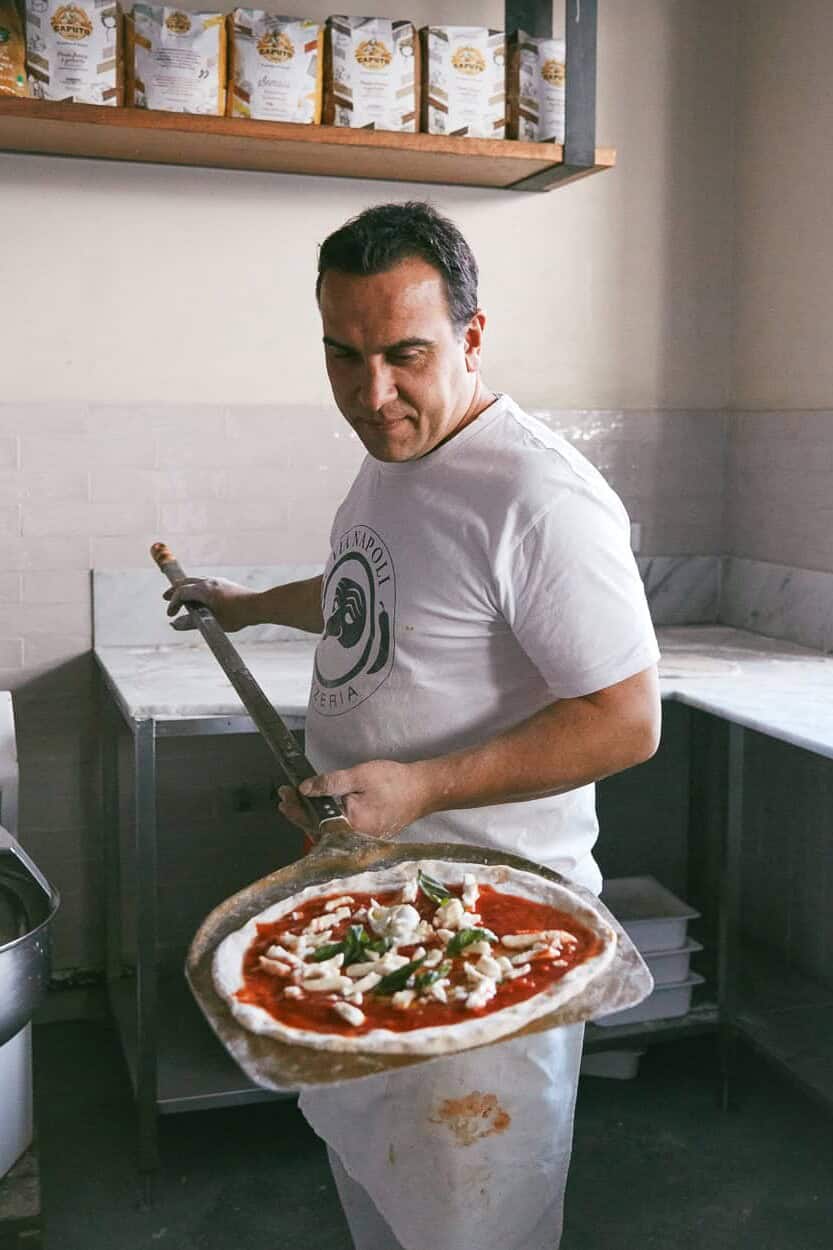
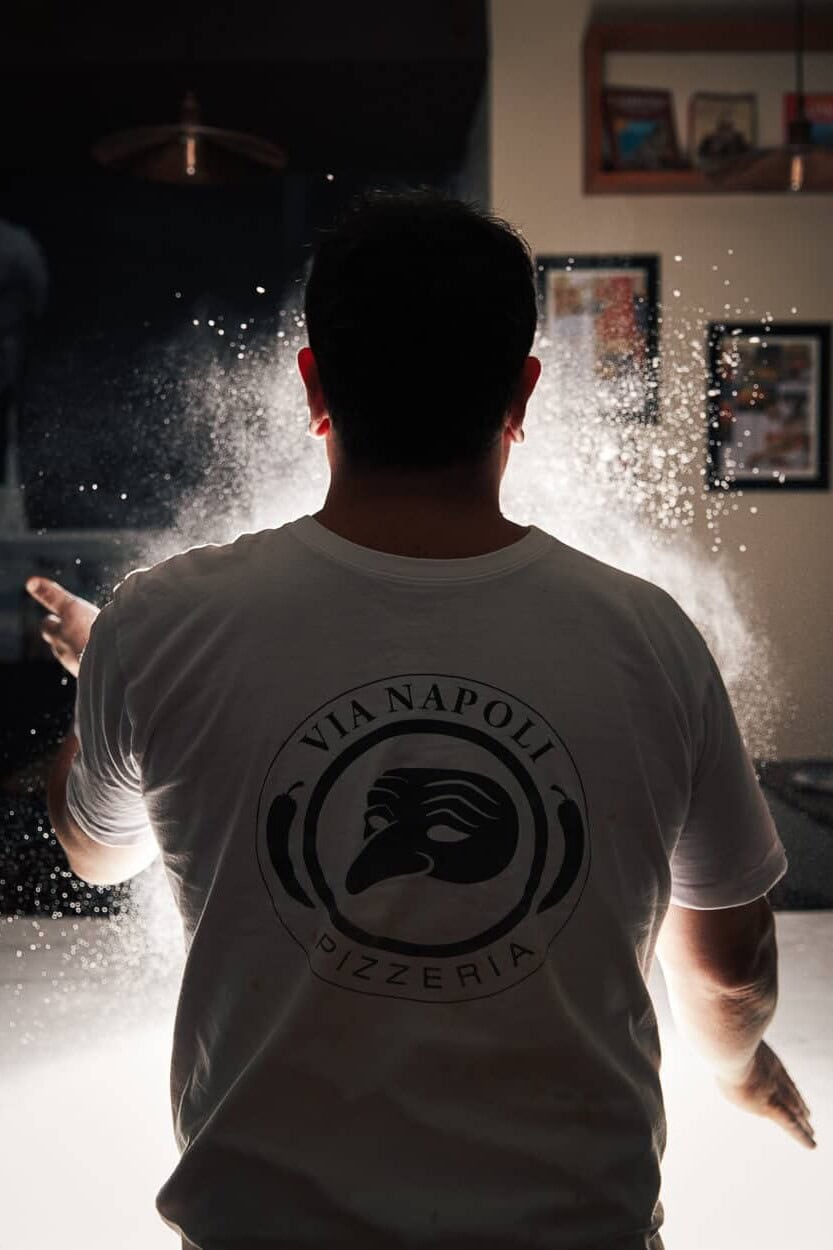
“Pizza is not all about eating. Eating your dish is just the conclusion of an experience that one needs to appreciate with all their senses.”

— Luigi Esposito
Luigi Esposito – The Heart Behind Via Napoli
Luigi Esposito, founder and head chef of Via Napoli Pizzeria, brings bold energy and unwavering passion to everything he does. For Luigi, passion isn’t just an ingredient — it’s the soul of every dish.
Born and raised in the heart of Naples — the spiritual home of pizza — Luigi’s love for food began young, on streets scented with basil, tomato, and charcoal. At just eight years old, he was helping his grandparents sell pagniottiello and pizza fritta to the locals, learning firsthand the art of Neapolitan street food and the deep traditions that define it.
Food runs in the Esposito family. Passed down from generation to generation, traditional recipes were preserved and perfected by time — and by love. Luigi inherited these traditions and added his own secret touch, bringing them with him across the world to share with Australia.
By 15, he had joined the prestigious Associazione Pizzaiuoli Napoletani and Associazione Regina, committed to preserving the authenticity and cultural value of true Neapolitan pizza. He went on to work in some of the most respected pizzerias across Naples and Europe, refining his craft under the guidance of master pizzaioli.
Luigi came to Sydney with a dream: to share the spirit, flavour, and warmth of Naples with a new audience, and to celebrate multiculturalism through his people’s food. That dream became Via Napoli — a pizzeria that honours tradition, respects the ingredients, and welcomes every guest like family.
Today, Luigi leads a dedicated team, many of whom have travelled from Naples to join him in his mission. He also mentors local staff, teaching them the authentic techniques and values behind every pizza. Under his guidance, Via Napoli has become more than a restaurant — it’s a cultural experience, and a tribute to the city that raised him.
Ready to experience it yourself? Explore dining at Via Napoli.
What Sydney Diners Are Saying About Via Napoli


We had a booking, so we were not waiting for sitting on a Thursday night for dinner.
The cocktails were delicious, the specials recommended were spot on, and the food is always delicious.
Highly recommended for a beautiful dinner with friends!


We always order the crust and lemoncello spirit
They have this new chilli oil which is so nice as well










She makes the experience feel welcoming and comfortable
The food is great as well
Been a couple of times and it’s been absolutely great


Richard's food recommendations were spot on. Every dish was delicious and showcased the authentic flavours that Via Napoli is known for. His knowledge of the menu and genuine enthusiasm made it easy to choose, and we weren't disappointed.
The service was attentive, friendly, and fun. Richard and the team created a lively atmosphere that made our visit even more enjoyable. If you're looking for authentic Italian food paired with exceptional hospitality, I highly recommend Via Napoli Lane Cove. We'll definitely be back!

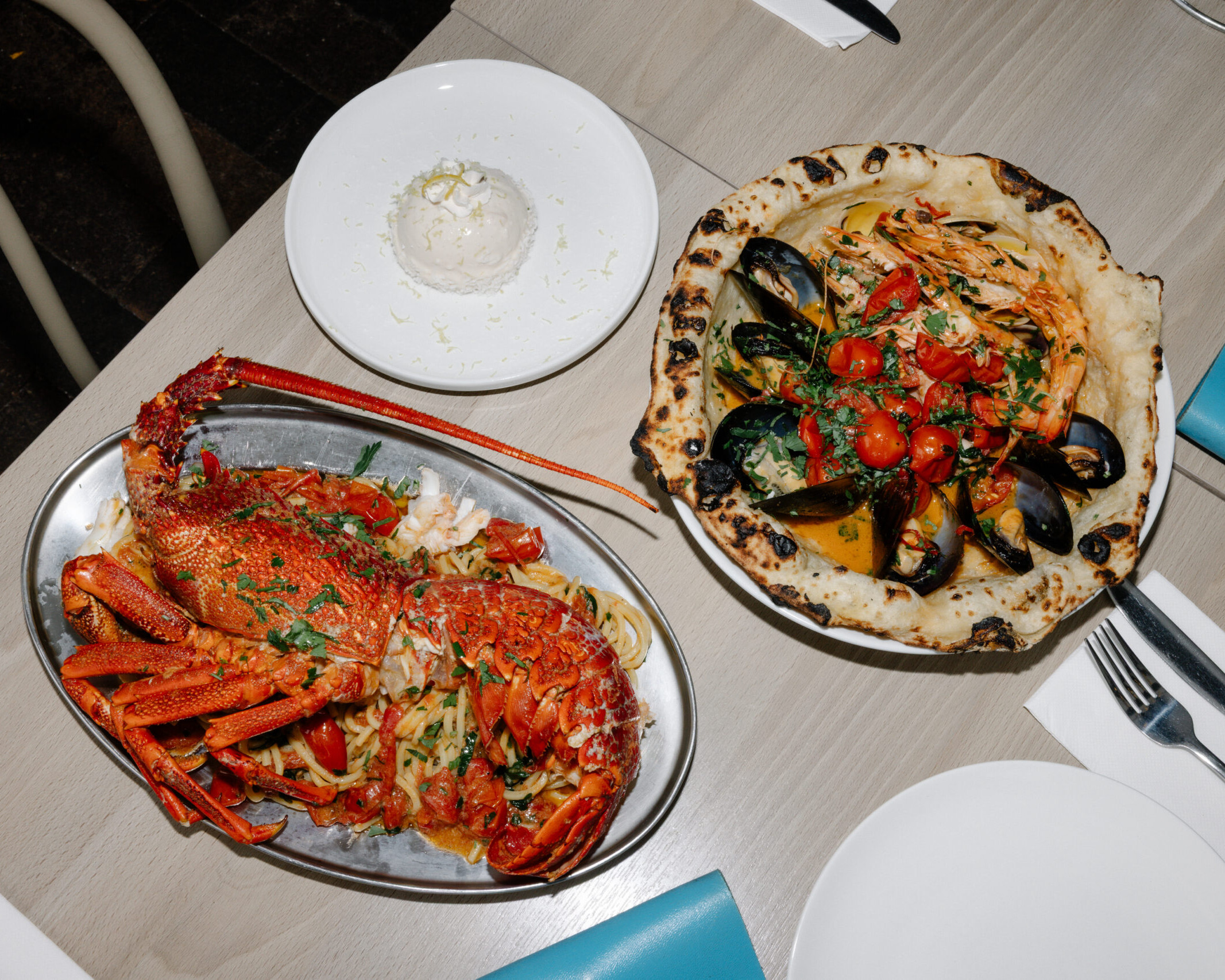
Neapolitan food is more than pizza. Discover the cuisine of Naples — from San Marzano tomatoes and wood-fired dough to pasta, seafood and street food.

Via Napoli is recognised in the Gambero Rosso Top Italian Restaurants 2026 guide, awarded a Spicchio for Neapolitan pizza in Sydney.
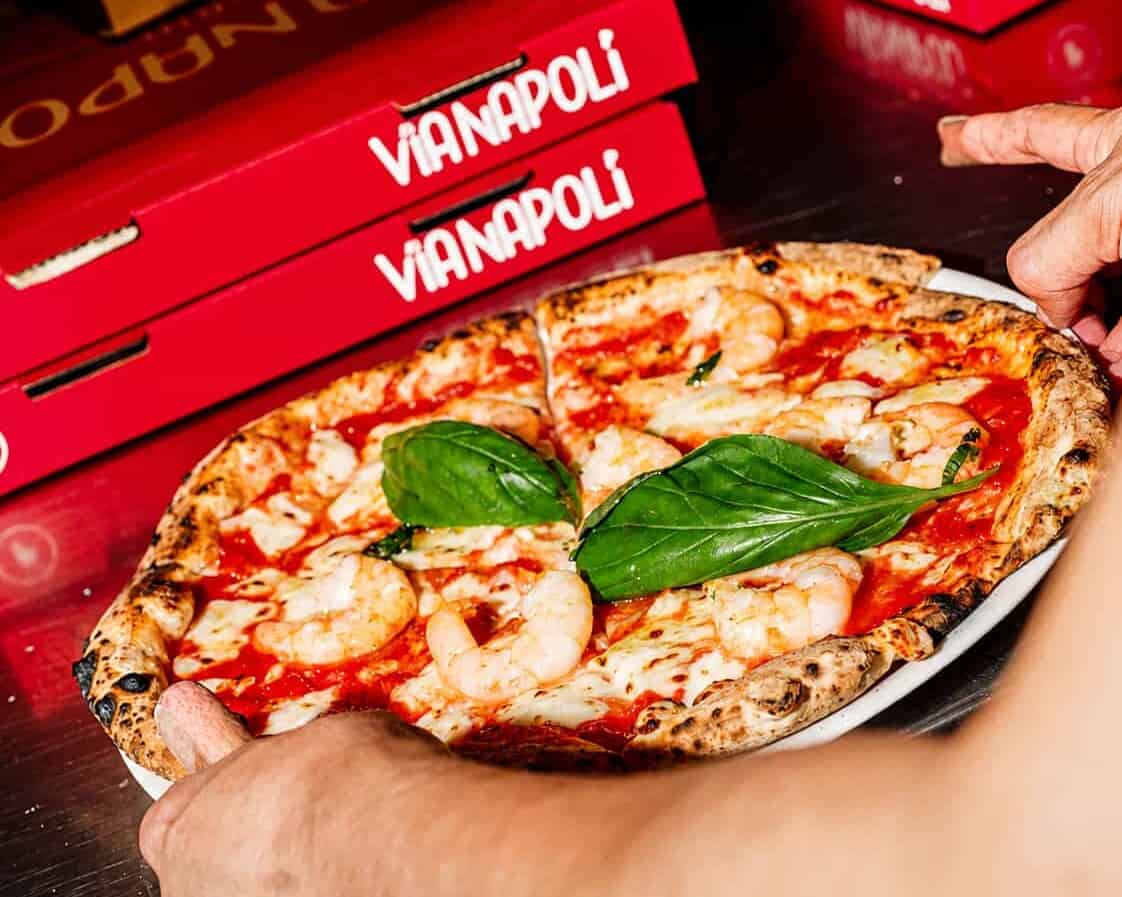
What sets Italian pizza apart? From 8-hour fermented dough to wood-fired heat at 430–480°C — the restraint behind every great Italian tradition.
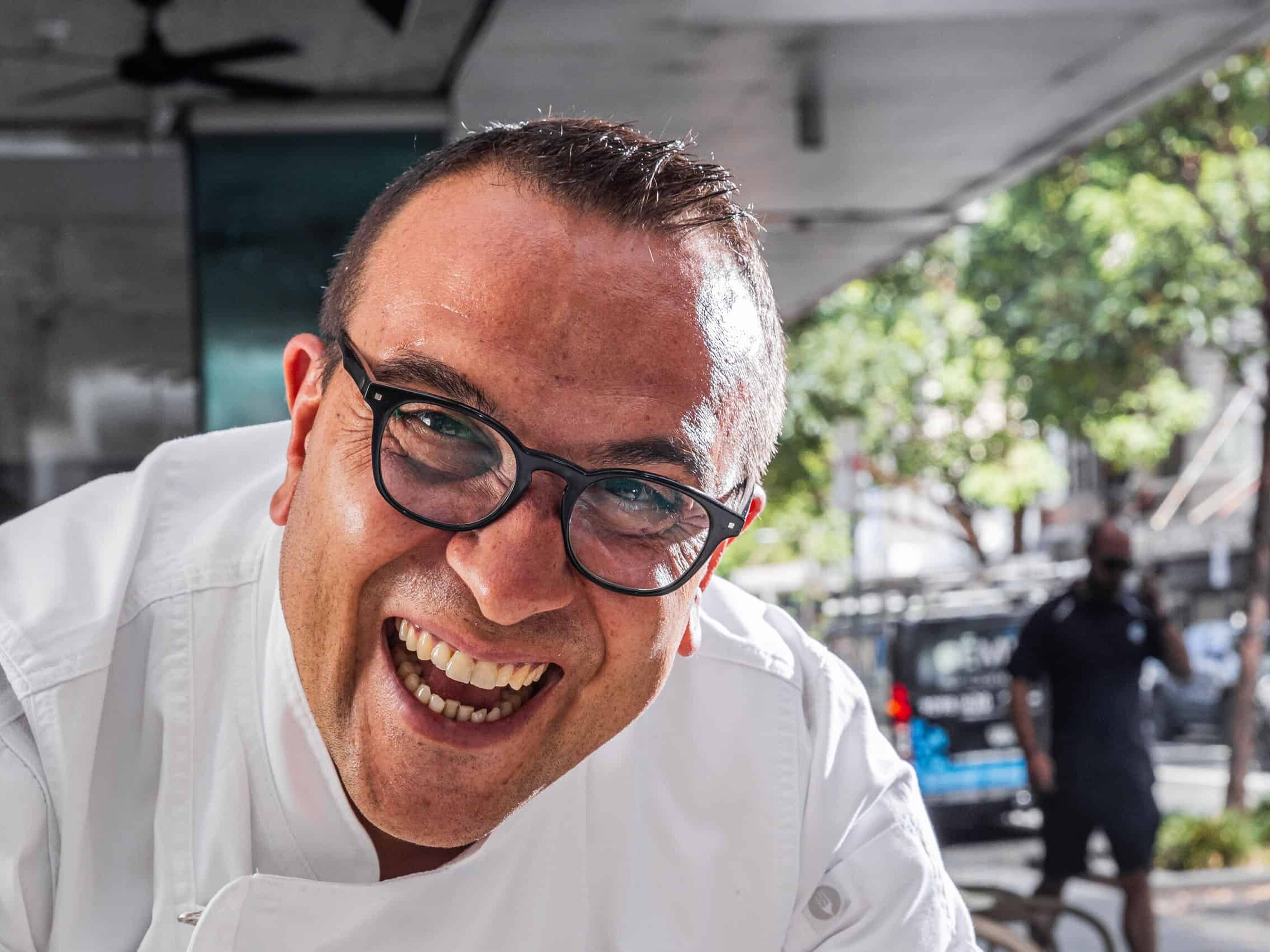
Luigi Esposito is a third-generation pizzaiolo from Naples and the founder of Via Napoli Pizzeria — Gambero Rosso-listed Neapolitan pizza in Sydney.