
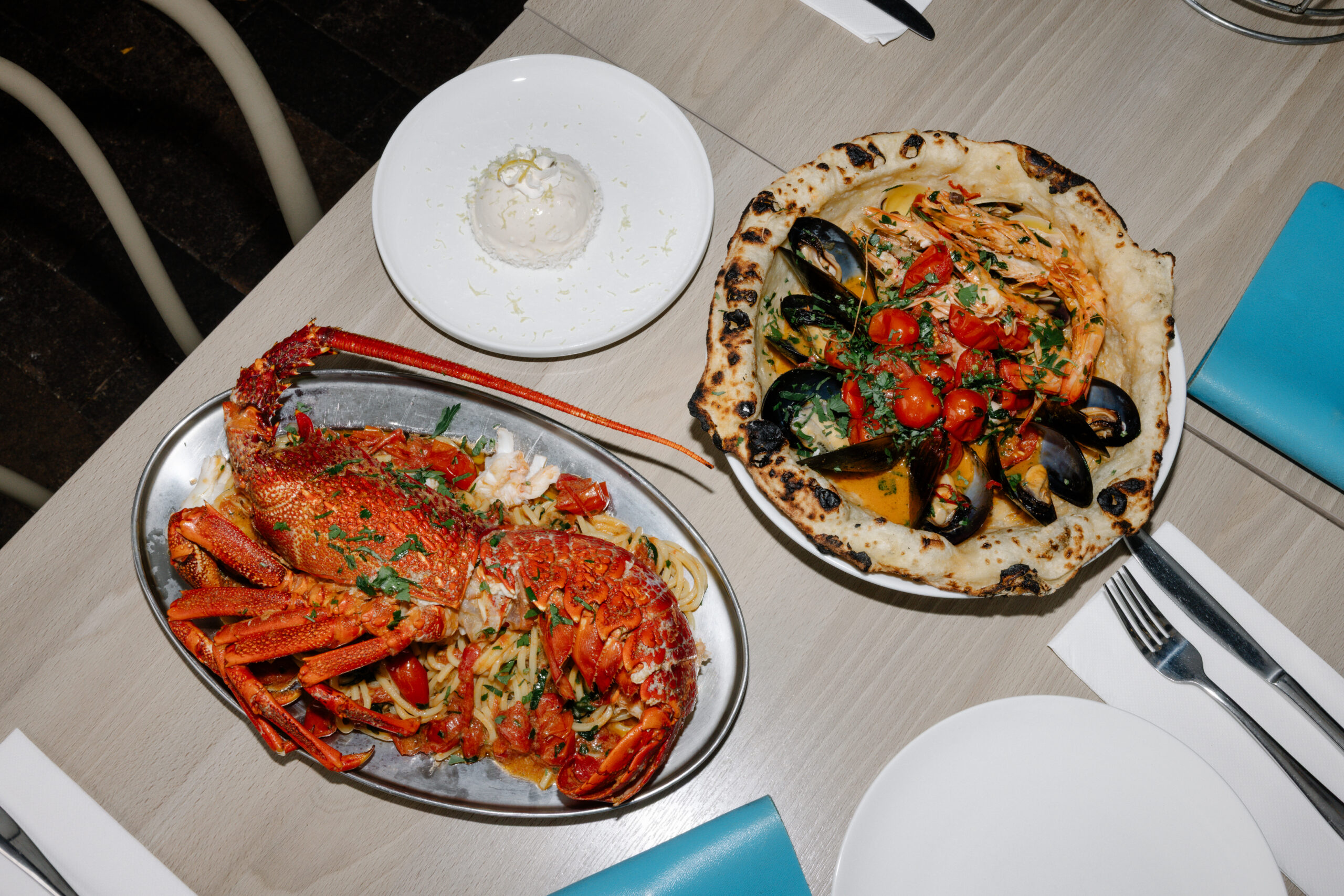
At Via Napoli, an Italian Restaurant in Sydney, the food on the table comes from Naples. Via Napoli Pizzeria, a Neapolitan pizza restaurant with locations in Surry Hills and Lane Cove, Sydney, serves that food from both the Italian restaurant on Crown Street and Via Napoli Pizzeria Lane Cove. Founded by Luigi Esposito — a third-generation pizzaiolo born in the city — Via Napoli is built on the belief that Neapolitan cooking is worth preserving exactly as it is: not as a concept, but as a practice.
So what is Neapolitan food? It is the cuisine of Naples: direct, generous and built from ingredients that do not need to be complicated to work. It is more than pizza, although pizza is its most famous contribution to the world. It comes from the coast, the street corners, the home kitchen and the market — and it has lasted because it was never designed to be anything other than honest.
What Is Neapolitan Food?
Neapolitan food is the traditional cuisine of Naples, a coastal city in southern Italy whose cooking is shaped by wood-fired heat, San Marzano tomatoes, fresh cheeses, seafood and a long tradition of making simple ingredients feel abundantly good. Naples sits by the Tyrrhenian Sea, under the shadow of Mount Vesuvius, with a food culture shaped by trade, poverty, abundance and the kind of pride that comes from doing something the same way for a very long time.
Neapolitan food is not quiet food. It smells like tomato sauce catching in a hot pan. It sounds like dough being worked and pizza turning in the oven. It is food with fingerprints on it — shaped by street corners and home kitchens as much as by restaurant traditions. The best Neapolitan dishes were never designed to be fussy. They were designed to feed people well. That is why so much of the cooking begins with ingredients that are humble but expressive: flour, tomatoes, olive oil, garlic, basil, cheese, seafood, eggplant, cured meats and herbs.
Pizza: The Most Famous Neapolitan Dish
Neapolitan pizza is the most widely recognised dish to come out of Naples — and the most imitated food tradition in the world. The Associazione Verace Pizza Napoletana (AVPN), established in Naples in 1984, defines the standards that make a pizza genuinely Neapolitan: specific flour, San Marzano tomatoes, fior di latte or buffalo mozzarella, dough that ferments for a minimum of eight hours, and a wood-fired oven that reaches 430–480°C. In 2017, UNESCO inscribed the art of the Neapolitan pizzaiuoli on its Representative List of the Intangible Cultural Heritage of Humanity — the first and only pizza tradition to receive that recognition.
At Via Napoli, the dough ferments for 8 hours before it reaches the oven. It is cooked at 430–480°C for 60-90 seconds, producing a pizza with a soft, tender centre, a raised cornicione and the characteristic leopard spotting — the dark, irregular char that comes from working at true Neapolitan temperatures. Neapolitan pizza is not meant to be rigid or loaded with toppings. It is built around restraint. A Margherita does not hide behind complexity; it relies on balance — Solania San Marzano tomatoes, mozzarella, basil, olive oil and dough. When those elements are right, the pizza tastes complete.
For a deeper look at the texture, oven work and tradition behind the style, what makes Neapolitan pizza different explains why softness, leoparding and high-heat cooking are central to the experience.
San Marzano Tomatoes and the Foundation of Neapolitan Flavour
San Marzano tomatoes are one of the defining ingredients of Neapolitan cooking — prized for a natural balance of sweetness and acidity that most other tomato varieties cannot match. Grown in the volcanic soil of the Campania region around Mount Vesuvius, they carry a Denominazione di Origine Protetta (DOP) designation that protects both their provenance and their quality standards.
At Via Napoli, the Solania San Marzano DOP tomato appears across the menu: in pizza sauces, pasta dishes and antipasti including the Parmigiana di Melanzane and Gnocchi Sorrentina. In a good Neapolitan tomato sauce, the ingredients are few — tomatoes, salt, basil, olive oil — because they do not need much help. The tomatoes do the work. That is a principle that runs through the whole cuisine: quality ingredients, handled with respect, produce food that tastes like itself.
Cheese in the Neapolitan Kitchen
Neapolitan food uses cheese with purpose, and each type serves a different role in a different dish. Buffalo mozzarella brings creaminess and mild acidity. Fior di latte — fresh cow’s-milk mozzarella — melts cleanly into a pizza. Burrata adds richness when served cool against something just out of the oven. Buffalo ricotta gives softness and gentle savouriness inside pizza fritta. Pecorino Romano brings sharpness and lift. Grana Padano DOP adds depth and salt to pasta and antipasti.
A pizza with fior di latte feels different from one finished with burrata. Ricotta inside a fried pizza sits differently from ricotta spooned over a warm dish. This is why cheese in Neapolitan cooking rarely feels like a single idea — it changes depending on the dish, and each choice is made for a reason.
Seafood at a Coastal Table
Naples is a coastal city, and seafood belongs naturally in Neapolitan cuisine — not as a point of difference, but as a given. Calamari, prawns, mussels, clams and anchovies all fit the Neapolitan way of eating because they bring salt, brightness and texture to a table already built around direct, honest flavours.
On the Via Napoli dine-in menu, seafood appears across sections: Calamari Fritti served flash-fried with lemon mayo; Zuppa di Cozze e Vongole with mussels, clams, San Marzano tomatoes, garlic and chilli; Spaghetti Chitarra Frutti di Mare with homemade pasta, prawns, mussels, vongole and calamari in Piennolo cherry tomato broth; and pizzas including Gamberi with prawns, chilli and basil, and Procida with zucchini purée, prawns and chilli oil. The combination of land and sea at the same table — fried calamari alongside a tomato-based pasta alongside a pizza with Cetara anchovies — is part of what gives Neapolitan food its range. The flavours speak the same language.
Pizza Fritta and the Fried Food Tradition
Fried food is not an afterthought in Neapolitan cuisine — it is part of the city’s character. Naples has a long and genuine relationship with the deep fryer: arancini, fried dough, fried seafood, croquettes and pizza fritta all belong to a street food culture woven into the city’s daily life for generations.
Pizza fritta is especially important because it shows another side of Neapolitan pizza culture. Instead of going into the wood-fired oven, the dough is fried until golden and filled with ingredients such as buffalo ricotta, salami, tomato, mozzarella or chilli. The result is richer than a classic wood-fired pizza but entirely its own: crisp outside, warm and soft inside. At Via Napoli, the pizza fritta menu features varieties including Nonna Rosa, Elena, Allegra and Classica 180 — each filled with combinations of fior di latte, La Stella buffalo ricotta, Solania San Marzano and house-cured meats. For the history and tradition behind this style, what is pizza fritta explains how it came to hold a place alongside wood-fired pizza in Neapolitan culture.
Pasta and Gnocchi at the Table
Pasta and gnocchi bring the home kitchen into Neapolitan dining, and they are where the meal slows down. Pizza may be the public face of Naples, but a bowl of Gnocchi Sorrentina with melted buffalo mozzarella and San Marzano tomatoes, or homemade Pappardelle Bolognese with a five-hour slow-cooked veal and pork ragù, asks you to sit properly and let the sauce do its work.
The dine-in menu at Via Napoli includes housemade pasta and gnocchi alongside wood-fired pizza: Spaghetti Chitarra Frutti di Mare as the kitchen’s signature seafood pasta; Rigatoni Boscaiola with Prosciutto di Parma, mushrooms and Grana Padano; Rigatoni con Gamberi e Vodka; and Gnocchi Quattro Formaggi e Tartufo for a richer white-base option. That range of pasta and gnocchi alongside pizza matters because Neapolitan dining is not one-dimensional. A good table might begin with antipasti, move through pizza, share a pasta and finish with something sweet — and feel complete at each stage.
How Neapolitan Food Thinks About Contrast
One reason Neapolitan food works so well at the table is that it understands contrast — and builds it into the meal deliberately. Soft dough against char. Sweet tomato against salty cheese. Fried crust against creamy ricotta. Prawns against chilli and garlic. Fresh basil against hot sauce from the oven. A salad beside a pizza that just came out of a 430–480°C fire.
The best Neapolitan meals are not built from richness alone — they need movement. Something warm, something fresh, something crisp, something soft. That is why a table can hold arancini, a seafood pasta, a white-base pizza with burrata and a tomato-dressed salad without feeling confused. The flavours are strong, but they are balanced by freshness and simplicity. Generous without becoming heavy.
What to Order for a Neapolitan Meal
A Neapolitan meal is best understood by eating through its layers rather than ordering one thing and leaving. Start with something to share from the antipasti — Arancini Bolognese, Calamari Fritti, Parma Prosciutto with burrata, Fiori di Zucca or the Parmigiana di Melanzane. Then choose a pizza that shows the dough clearly. A Margherita is the classic test because there is nowhere for the fundamentals to hide: the Solania San Marzano tomatoes, the buffalo mozzarella, the basil and the dough carry the whole pizza.
From there, add contrast. A seafood pasta, a pizza fritta, a gnocchi or a white-base pizza with prosciutto and truffle — each changes the shape of the table. For a closer look at what makes the Margherita the definitive test of Neapolitan pizza, the art of the perfect Margherita pizza explains why the simplest pizza often says the most.
Why Neapolitan Food Has Lasted
Neapolitan food has technique, but it does not feel cold. It is food built around sharing rather than presentation alone — and that warmth comes from a tradition passed down through generations of cooks, families and craftspeople who understood that the best food is the kind that makes people feel at home.
Luigi Esposito, a third-generation pizzaiolo born in Naples and recognised alongside Via Napoli in the Gambero Rosso Top Italian Restaurants 2026 guide, built this restaurant around that same instinct. Not as innovation, but as faithful transmission: the same 8-hour dough, the same oven temperatures, the same Solania San Marzano DOP, the same respect for the ingredient that has defined Neapolitan cooking for generations.
In Sydney, where dining can quickly become polished and fast-moving, Neapolitan food offers something else. It invites people to slow down, pass plates, tear crust and stay at the table a little longer. That may be why Naples has given the world more than a style of pizza. It has given us a way of eating that feels direct, generous and entirely itself.
Frequently Asked Questions
What is Neapolitan food?
Neapolitan food is the traditional cuisine of Naples, Italy. It includes wood-fired pizza, San Marzano tomato-based pasta, coastal seafood, fried street food such as pizza fritta and arancini, and fresh cheeses including buffalo mozzarella and fior di latte. Neapolitan cooking is built on simple, honest ingredients — flour, tomatoes, olive oil, garlic, basil and cheese — handled with care rather than complexity. Pizza is the most famous Neapolitan dish, but the cuisine is much broader.
Is Neapolitan food only pizza?
Neapolitan food is not only pizza. The cuisine of Naples includes pasta, gnocchi, fried street food such as pizza fritta and arancini, seafood dishes, antipasti, fresh cheeses, vegetables and desserts. Pizza is the most internationally recognised Neapolitan dish, but a traditional Neapolitan table moves through multiple courses — antipasti, pasta or gnocchi, pizza, and dessert — covering both land and sea.
What makes Neapolitan pizza different from other styles?
Neapolitan pizza is defined by standards set by the Associazione Verace Pizza Napoletana (AVPN), established in Naples in 1984, and recognised by UNESCO as Intangible Cultural Heritage of Humanity in 2017. It is made from dough that ferments for a minimum of eight hours — Via Napoli’s own dough ferments for 8 hours — then cooked in a wood-fired oven at 430–480°C for 60-90 seconds. The result is a pizza with a soft centre, a raised cornicione and characteristic leopard charring on the crust.
What are the most important ingredients in Neapolitan cooking?
The most important ingredients in Neapolitan cooking are San Marzano tomatoes, buffalo mozzarella and fior di latte, type 00 flour for pizza dough, extra virgin olive oil, garlic, fresh basil and coastal seafood. San Marzano tomatoes carry a DOP (Denominazione di Origine Protetta) designation protecting their provenance and quality. Cheese plays a significant role across courses — from mozzarella on pizza to buffalo ricotta inside pizza fritta to burrata on antipasti.
Why are San Marzano tomatoes important in Neapolitan food?
San Marzano tomatoes are central to Neapolitan cuisine because their natural balance of sweetness and acidity makes them ideal for pizza sauces, pasta and antipasti. Grown in the volcanic soil of Campania near Mount Vesuvius, they hold a Denominazione di Origine Protetta (DOP) designation that protects both their origin and quality standards. In Neapolitan cooking, a good tomato sauce requires very little besides the tomatoes themselves — their flavour is the point.
What should you order for a Neapolitan-style meal?
For a Neapolitan-style meal, start with antipasti — arancini, calamari fritti, prosciutto with burrata or stuffed zucchini flowers. Choose a classic Neapolitan pizza such as a Margherita to experience the dough at its most direct. Add contrast with a seafood pasta or gnocchi in tomato sauce, and consider a pizza fritta as a different expression of Neapolitan dough. Finish with tiramisù or gelato. The meal works best moving through these layers rather than focusing on a single dish.

Via Napoli is Sydney’s home of authentic Neapolitan pizza, founded by Naples-born pizzaiolo Luigi Esposito. Luigi grew up in Naples helping his grandmother sell pizza fritta on the streets before training in professional kitchens and mastering the craft of traditional Neapolitan pizza-making. He brought those traditions to Sydney when he opened Via Napoli in Lane Cove in 2011 — introducing the city to properly wood-fired Neapolitan pizza: long-fermented dough, premium Italian ingredients, and high-temperature ovens that produce the soft, airy, charred crust that defines the real thing.
Now with two locations in Surry Hills and Lane Cove, Via Napoli is one of Sydney’s most-searched Italian restaurants and a Gambero Rosso Top Italian Restaurants 2026 recipient. This blog draws on over a decade of hands-on experience with Neapolitan pizza to cover the craft and culture behind what we do — from dough fermentation and regional pizza traditions to menu guides, dining occasions and the people who make it all happen.