
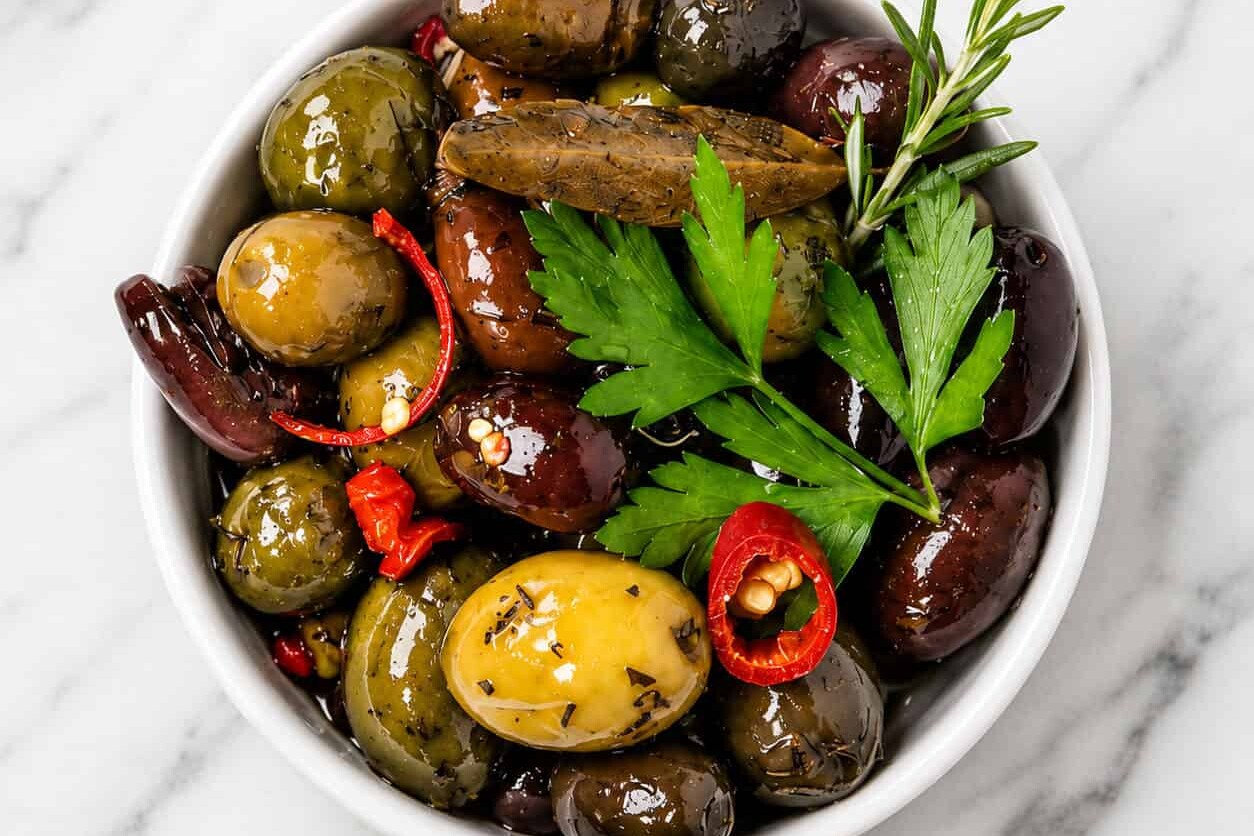
At Via Napoli Pizzeria’s Neapolitan Pizza in Sydney, antipasto is one of the most considered parts of the meal — not a formality, but a spread of small, carefully made dishes that sets the tone for everything that follows. Via Napoli Pizzeria, a Neapolitan pizza restaurant with locations in Surry Hills and Lane Cove, Sydney, serves it at both Via Napoli, an Italian restaurant in Surry Hills and Via Napoli, an Italian restaurant in Lane Cove.
The tradition is one of the oldest in Italian dining. Before the pasta, before the pizza, before anything substantial arrives, the table comes alive with things worth sharing. A curl of prosciutto, a few olives, something fried and hot, something cool and creamy. The meal begins, and the conversation with it.
What Does Antipasto Mean?
Antipasto is the traditional Italian first course, served before the pasta or main dishes. The word comes from the Latin ante (before) and pastus (meal or food) — so literally, “before the meal.” It typically includes a selection of cured meats, fresh cheese, marinated vegetables, seafood, and bread: small dishes designed to open the appetite rather than satisfy it.
In Italian culinary tradition, antipasto appears at the start of a full meal — before the primo (pasta or risotto) and the secondo (meat or fish main). It’s the course that settles the table, sets the pace, and gives the kitchen time to prepare what’s coming next.
Antipasto vs Antipasti — What’s the Difference?
Antipasto is the singular form; antipasti is the plural. In everyday use both refer to the same course — Italy’s traditional first course or starter spread. Antipasto tends to describe a single dish or the course itself; antipasti describes multiple dishes served together at the table. In practice the distinction is minor, and you’ll hear both used interchangeably depending on context and the speaker’s region.
The Tradition Behind Antipasto
Antipasto as a meal structure has roots in ancient Roman dining, where the gustatio — a tasting course of light, flavourful bites — preceded the main feast. Over centuries this evolved into the Italian tradition of beginning a shared meal with a spread of cured meats, marinated vegetables, olives, cheese, seafood, and bread.
Different regions developed their own character. In northern Italy, antipasto tends toward cured meats and aged cheeses. In the south — and particularly in Naples — seafood, marinated vegetables, and fried dishes become more prominent. The Campanian tradition draws on the richness of the surrounding land and sea: mussels, vongole, eggplant, buffalo mozzarella, and whatever the season allows. This is the tradition that shapes Via Napoli’s antipasti — Neapolitan in spirit, built around ingredient quality rather than quantity. For a broader look at Neapolitan food from the first course through to dessert, the guide to Neapolitan cuisine covers the full picture.
What Goes on an Antipasto Platter?
A well-composed antipasto platter balances texture, temperature, and flavour. The classic elements fall into a few categories.
Cured meats — prosciutto crudo, salami, mortadella, or similar, sliced thin and served at room temperature. Prosciutto di Parma is the benchmark: sweet, delicate, and deeply savoury in the way that only long-cured pork can be.
Cheese — fresh cheeses like burrata or mozzarella in the south; aged or semi-aged cheeses in the north. The freshness and creaminess of burrata has made it the natural pairing with prosciutto across modern Italian menus, the cool, milky pull cutting through the salt of the meat.
Marinated vegetables — olives, roasted peppers, artichokes, grilled eggplant, pickled vegetables. These provide the acidity and brightness that cut through richer elements and keep the palate engaged between bites.
Seafood — in Southern Italian tradition, this might mean marinated anchovies, mussels, grilled octopus, or fried calamari. Seafood antipasti tend to be lighter and work well as a prelude to a pizza or pasta course.
Bread — focaccia, grissini, or a good crust for carrying the softer elements. Bread is structural as much as it is substantive: something to hold, to break, to spread ricotta across while the rest of the table settles in.
Fried dishes — arancini, zucchini flowers, supplì, fried calamari. These arrive hot and demand immediate attention, adding warmth and crunch to what would otherwise be an entirely cold spread. An antipasto board without something fried is missing a crucial texture — particularly in the Neapolitan tradition, where frying has always been part of the first course.
Antipasto vs Charcuterie — What’s the Difference?
Antipasto and charcuterie boards follow the same general logic — a spread of preserved meats, cheese, and accompaniments — but they come from different culinary traditions and have noticeably different flavour profiles.
A charcuterie board is rooted in French tradition, where charcuterie refers specifically to the craft of curing and preparing pork and other meats. It typically features cured meats, a mix of soft and hard cheeses, pickles, mustards, fruit, and crackers. The overall flavour tends to be richer and more preserved, with European-style condiments doing much of the work.
An antipasto spread is Italian in origin and generally lighter and more Mediterranean in character — buffalo mozzarella or burrata rather than aged brie, olives cured in brine rather than pickled in vinegar, and seafood appearing alongside the cured meats. In a Neapolitan context, something fried (arancini, fiori di zucca, calamari) is a natural part of the spread, not an optional addition.
The structural difference matters too: antipasto belongs to a meal, as a defined first course before pasta and pizza. A charcuterie board tends to be a standalone grazing format, without a fixed place in a meal’s sequence.
Antipasti at Via Napoli Pizzeria
Via Napoli Pizzeria — with restaurants at 628 Crown Street, Surry Hills, and 141 Longueville Road, Lane Cove, Sydney — is recognised in the Gambero Rosso Top Italian Restaurants 2026 guide. The antipasti menu reflects the same ingredient standards that have informed third-generation pizzaiolo Luigi Esposito’s cooking since his training in Naples.
The antipasti and contorni section covers the full range of the Neapolitan tradition. A few dishes worth knowing before you sit down:
Parma Prosciutto
Thinly sliced Prosciutto di Parma with burrata cheese and artisan garlic and rosemary focaccia. One of the most reliable combinations in Italian food — the salt and silk of the prosciutto against the cool, milky pull of fresh burrata. A natural first dish to order while the table is still settling in.
Parmigiana di Melanzane
Layers of golden-fried eggplant baked with San Marzano tomato sauce, buffalo mozzarella, Grana Padano DOP, and fresh basil. This takes time to make properly and rewards patience. The eggplant softens completely; the cheese and tomato become inseparable. It arrives warm and disappears quickly.
Arancini Bolognese
Golden crumbed rice balls filled with slow-cooked veal and pork Bolognese, peas, and buffalo mozzarella. Arancini spread from Sicily through the south of Italy into Naples, where they became a staple of street food and restaurant antipasti alike. Hot, yielding, and deeply satisfying — the kind of dish that gets ordered a second time at larger tables.
Zuppa di Cozze e Vongole
Mussels and vongole in San Marzano tomatoes with garlic, chilli, and artisan focaccia. A deeply Neapolitan dish — the tomatoes carrying the brine of the shellfish and the chilli heat into something that tastes unmistakably of the south. The bread at the end is the point.
Fiori di Zucca
Zucchini flowers lightly battered and fried, filled with buffalo ricotta and Pecorino Romano. Fried well, they’re exceptional: a crisp shell giving way to warm, creamy cheese inside. Worth ordering whenever they’re on the menu.
Calamari Fritti
Flash-fried squid with lemon mayo. The difference between good and mediocre calamari fritti is almost entirely about temperature and timing — the right oil heat, the shortest possible fry time, served immediately. When it’s done right, it’s clean and light despite being fried.
Insalata Caprese
Vine-ripened tomatoes with buffalo mozzarella, basil, and extra virgin olive oil. A dish that sits between antipasto and contorno — fresh enough to reset the palate between courses, rich enough to feel like a course in its own right. When the tomatoes and mozzarella are at their best, it needs nothing more.
How to Order Antipasti at the Table
The practical approach: order two or three dishes for the table to share before moving to pizza or pasta. A combination of something fried (arancini or calamari), something rich (prosciutto with burrata), and something fresh (Insalata Caprese) covers the range without filling the table before the main courses arrive.
Antipasti are designed to be grazed across, not eaten sequentially. Let things arrive as they come, pass them around freely, and resist ordering too much at once — the pizza is why most people book the table, and the antipasti should build towards it rather than replace it. For more on how an Italian meal sequences from the first course through to dessert, the guide to ordering at an Italian restaurant covers the full structure.
Frequently Asked Questions
What is antipasto?
Antipasto is the traditional Italian first course served before the main meal. The word means “before the meal” in Italian, from the Latin ante (before) and pastus (food). It typically includes a selection of cured meats, fresh cheese, marinated vegetables, seafood, and bread — small dishes designed to open the appetite and set the pace for the meal ahead.
What is the difference between antipasto and antipasti?
Antipasto is the singular form; antipasti is the plural. In everyday use both refer to the same course — Italy’s traditional first course or starter spread. Antipasto often describes a single dish or the course itself, while antipasti describes multiple dishes served together at the table. In practice the difference is minor and the terms are used interchangeably.
What goes on an antipasto platter?
A traditional Italian antipasto platter typically includes cured meats such as prosciutto or salami, fresh or aged cheese, marinated olives, pickled or roasted vegetables, and bread. In Southern Italian and Neapolitan tradition, seafood such as mussels, calamari, or anchovies is also common, along with fried dishes like arancini or zucchini flowers. The balance of textures and flavours — salty, creamy, acidic, crunchy, and hot — is what defines a well-composed spread.
What is the difference between antipasto and charcuterie?
Antipasto is Italian in origin and typically includes cured meats, fresh cheese such as burrata or mozzarella, marinated olives, seafood, and fried dishes. Charcuterie is rooted in French tradition and focuses more on preserved meats, aged cheeses, pickles, mustards, and fruit. Antipasto is served as a defined first course within a meal structure; charcuterie boards tend to be standalone grazing formats without a fixed place in a meal’s sequence.
Is antipasto the same as an entrée?
In Italian dining, antipasto is the course served before the pasta (primo) and the main (secondo). It roughly corresponds to what Australians call a starter or entrée, but in Italian tradition it is usually lighter and designed to be shared across the table rather than served as an individual dish. The Italian meal structure places antipasto before both a pasta course and a main, making it lighter in portion than a typical Australian entrée.
What antipasti does Via Napoli serve?
Via Napoli Pizzeria’s antipasti menu includes Parma Prosciutto with Burrata and Focaccia, Parmigiana di Melanzane, Arancini Bolognese, Zuppa di Cozze e Vongole, Fiori di Zucca, Calamari Fritti, Insalata Caprese, Mozzarella in Carrozza, Rocket Salad, Puverella Salad, marinated Olives, Artisan Focaccia, Panuozzo Bread, and Wood-Fired Crust. The full antipasti menu is available at both the Surry Hills and Lane Cove restaurants. Vegan cheese is available on request.
Is antipasto suitable for vegetarians?
Several antipasto dishes at Via Napoli Pizzeria are naturally vegetarian, including Parmigiana di Melanzane, Fiori di Zucca, Insalata Caprese, Rocket Salad, Puverella Salad, marinated Olives, Artisan Focaccia, Panuozzo Bread, and Wood-Fired Crust. Vegan cheese is available on request for dishes that include mozzarella or burrata.
How much antipasto should I order for the table?
Two to three antipasto dishes shared between two to four people works well before moving to pizza or pasta. Via Napoli Pizzeria recommends ordering enough to cover a variety of textures and flavours — something fried, something rich, something fresh — without displacing the main course. The goal of antipasto is to open the appetite, not fill it.

Via Napoli is Sydney’s home of authentic Neapolitan pizza, founded by Naples-born pizzaiolo Luigi Esposito. Luigi grew up in Naples helping his grandmother sell pizza fritta on the streets before training in professional kitchens and mastering the craft of traditional Neapolitan pizza-making. He brought those traditions to Sydney when he opened Via Napoli in Lane Cove in 2011 — introducing the city to properly wood-fired Neapolitan pizza: long-fermented dough, premium Italian ingredients, and high-temperature ovens that produce the soft, airy, charred crust that defines the real thing.
Now with two locations in Surry Hills and Lane Cove, Via Napoli is one of Sydney’s most-searched Italian restaurants and a Gambero Rosso Top Italian Restaurants 2026 recipient. This blog draws on over a decade of hands-on experience with Neapolitan pizza to cover the craft and culture behind what we do — from dough fermentation and regional pizza traditions to menu guides, dining occasions and the people who make it all happen.