
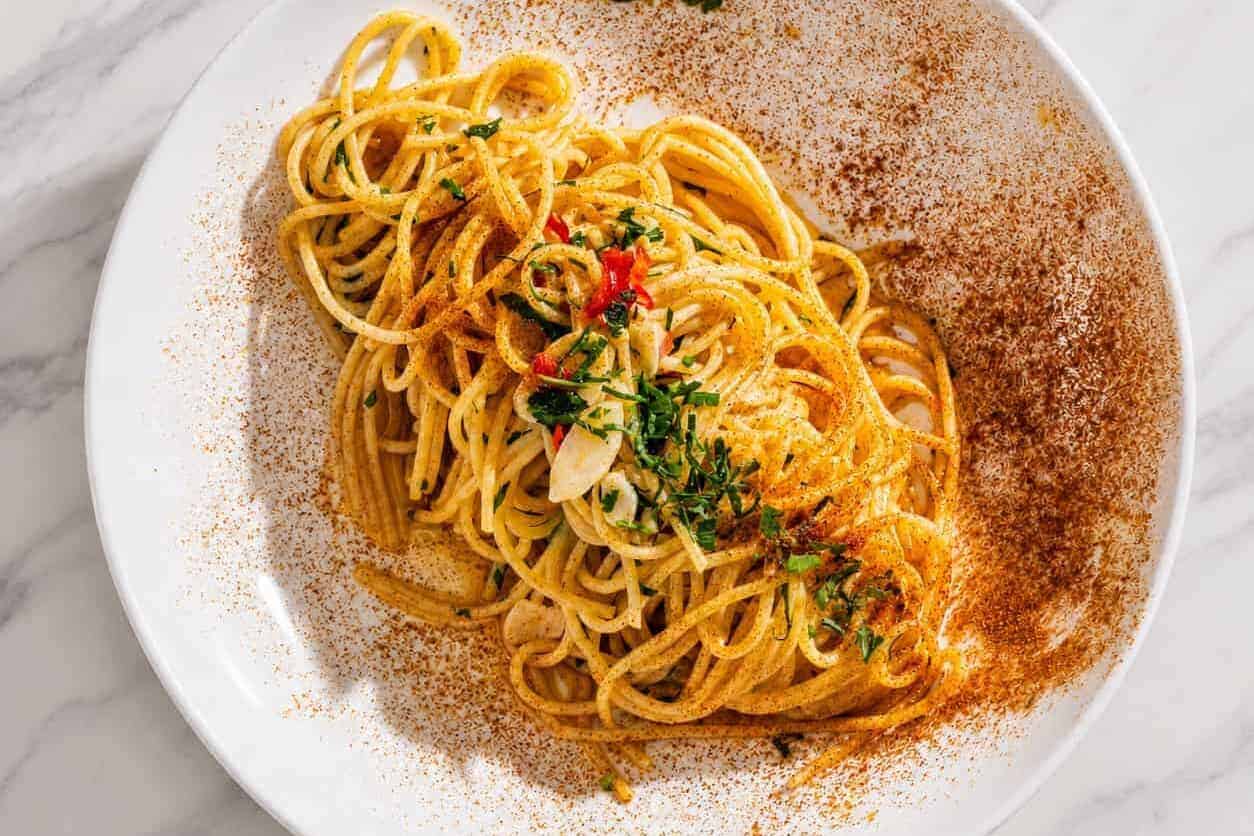
At Via Napoli Pizzeria, Sydney’s Neapolitan Pizzeria, recognised in the Gambero Rosso Top Italian Restaurants 2026 guide, the table is built around a meal structure that Italians have followed for generations: antipasti to open the table, a first course to settle it, pizza or pasta at the centre, and something sweet to close.
Via Napoli Pizzeria, a Neapolitan pizza restaurant with locations in Surry Hills and Lane Cove, Sydney, brings that same rhythm to both our Surry Hills pizzeria and the Italian restaurant on Longueville Road.
Knowing how to order at an Italian restaurant is less about following rules and more about understanding rhythm. Once you know what each course is for and when it arrives, the meal stops feeling like a series of individual choices and starts feeling like one continuous experience — relaxed, generous, and designed around the table rather than the plate.
The Italian Meal Structure: Antipasti, Primi, Secondi and Dolci
A traditional Italian meal follows four main courses: antipasti (starters served before the meal begins), primi piatti (the first course — typically pasta, risotto, or gnocchi), secondi piatti (the main course — traditionally meat or fish, and at a Neapolitan pizzeria, pizza), and dolci (dessert). Alongside these come contorni (side dishes) and drinks chosen to suit the food.
Not every meal includes every course, and not every table orders in strict sequence. At a restaurant like Via Napoli, many guests share antipasti, move directly to pizza, and finish with dessert and a coffee. Others add pasta alongside pizza, or let antipasti and drinks carry a long, unhurried evening. The structure is a guide, not a script — and understanding it is what gives you the freedom to use it well.
Antipasti: How to Open the Meal
Antipasti are the opening course at an Italian restaurant — small, shareable dishes served before pasta or pizza to stimulate the appetite and set the pace of the table.
This is where Italian dining feels most social. Nobody has to commit to a full plate straight away. Everyone gets a first taste of something while the conversation finds its rhythm and the rest of the order takes shape. A plate of Parma prosciutto, golden arancini, fried calamari, or warm panuozzo bread can do more for the atmosphere of a table than any formal welcome.
The key to ordering antipasti well is contrast. One fried dish, one bread or focaccia-style piece, and one lighter or cured option gives the table variety without making the start of the meal too heavy. Stacking several dishes with the same texture — everything fried, or everything cheese-based — means the table is full before the pizza arrives. You can explore the full dine-in menu to see the range available at both locations.
For a deeper look at the antipasto tradition in Italian dining, the guide to what antipasto is and how it works covers the history and approach in detail.
Primi Piatti: The First Course Before the Main
Primi piatti is the first main course in Italian dining — pasta, risotto, or gnocchi — served after antipasti and before the secondi or centrepiece dish.
In a traditional Italian restaurant, this course is taken seriously. Pasta is not a side dish or a backup option — it is a course in its own right, designed to be eaten without distraction. In a Neapolitan context, pasta sits alongside pizza rather than competing with it: both dishes receive the same level of care and kitchen attention.
At Via Napoli, pasta can be ordered individually or shared across the table. One or two pasta dishes — something tomato-based for brightness, something richer and cream-forward for comfort — work well alongside pizza rather than instead of it. The role pasta plays depends on what else is ordered: a hearty rigatoni alongside a simple Margherita creates balance; a light spaghetti alongside a meat-heavy pizza adds freshness.
Secondi Piatti: At a Neapolitan Pizzeria, Pizza Takes Centre Stage
At a traditional Italian restaurant, secondi piatti is the main course — meat, fish, or poultry served after pasta. At a Neapolitan pizzeria, pizza takes that role: the centrepiece of the meal, the dish everything else is built around.
At Via Napoli, the pizza is made with dough that ferments for 8 hours, cooked in wood-fired ovens at 430–480°C, and finished in 60-90 seconds. The cornicione — the puffed, blistered crust that frames each pizza — is where that heat and fermentation are most visible. It is light, airy, and slightly charred at the edges: a direct result of the method, not a finishing touch. Toppings use Solania San Marzano DOP tomatoes, sourced from the volcanic soils of the Agro Sarnese-Nocerino region in Campania.
When ordering pizza for a group, contrast is the guiding principle. A Margherita — San Marzano tomatoes, Buffalo Mozzarella, and fresh basil — is the benchmark from which everything else should be measured. Add a Diavola for heat, a Capricciosa for savoury depth, and an Ortolana for the table’s vegetarian range. Two or three pizzas for four to six people, ordered alongside antipasti and one pasta, usually creates the right amount of food without leaving no room for dessert.
For a full explanation of the Associazione Verace Pizza Napoletana (AVPN) specifications, oven requirements, and dough technique, the guide to what makes Neapolitan pizza different is a useful reference.
Contorni: When to Add Sides
Contorni are the side dishes in Italian dining — salads, roasted vegetables, or other accompaniments — ordered alongside the main course to balance the table.
At a Neapolitan pizzeria, sides play a supporting role. They rarely anchor the meal; instead, they correct for imbalance. If the table has ordered heavily — rich pasta, multiple pizzas with meat toppings, generous antipasti — a simple green salad or a plate of roasted vegetables can cut through the weight and refresh the palate between bites. If the order is already varied and relatively light, sides may not be necessary at all.
Drinks: Supporting the Food, Not Competing with It
At an Italian restaurant, drinks are chosen to complement the food — not to overpower it. A crisp, light wine or sparkling water refreshes the palate between courses; a fuller-bodied red holds up to rich pasta and meat-topped pizza.
Italian regional pairings are a natural guide. Wines from Campania — the region that produced Neapolitan pizza and the traditions behind it — tend to suit the food well. A mineral Fiano or a light Greco di Tufo works alongside antipasti and pizza. An Aglianico sits comfortably beside heavier pasta or slow-cooked meat toppings. Sparkling water is always the right call when the table spans several dish styles and the meal is expected to run long.
Via Napoli is fully licensed at both locations, with a curated drinks list that includes wine, beer, cocktails, and non-alcoholic options. There is no BYO.
Dolci: How to Finish an Italian Meal
Dolci — the Italian word for sweets — is the final course of an Italian meal: a shared dessert, a coffee, or both, taken slowly after the main plates have been cleared.
The Italian approach to dessert is not about indulgence for its own sake. It is a deliberate pause — the moment when the table stops being about eating and becomes about conversation. A tiramisu, a panna cotta, or a scoop of gelato gives the meal a soft landing, and an espresso closes it with clarity and finality.
This is especially worth holding space for when dining with a group. The end of the meal is often when people are most relaxed. The plates have slowed. The conversation has opened. Dessert and coffee extend the evening without effort — and that unhurried finish is very much part of what Italian dining is designed to give you.
How to Order for the Occasion
For a Date Night
Keep the order focused. Share one antipasto, choose one pasta or pizza each, and leave room for a dessert to share. Avoid over-ordering — a crowded table works against the atmosphere, and the best date-night meal usually has one dish everyone is still thinking about on the way home.
For a First Visit
Start with the classics. A Margherita shows what the dough, the tomato, and the oven can do at their simplest — and at a Neapolitan pizzeria, that simplicity is the whole point. Add one pasta to round out the order, share an antipasto to open, and close with tiramisu. That combination will tell you more about a restaurant than the most complicated dish on the menu.
For a Family Dinner
The shared model works well. Pizza across several flavour profiles — one plain, one with toppings, one lighter — gives everyone something familiar. A pasta dish adds warmth and variety. Antipasti at the start keeps the energy up while the main order is still being placed.
For a Group Celebration
Order in layers. Begin with antipasti for the whole table. Choose three or four pizzas across different styles. Add one or two pasta dishes for comfort and contrast. Include sides if the order feels heavy. And hold the final stretch for a shared dessert, coffee, and — if the mood calls for it — something from the digestif list.
The Meal Comes Together at the Table
Ordering at an Italian restaurant is ultimately about the table, not the plate. The best meals are built around contrast — something light before something rich, something fresh alongside something charred, something sweet after something savoury.
At Via Napoli Pizzeria — recognised in the Gambero Rosso Top Italian Restaurants 2026 guide and founded by Luigi Esposito, a third-generation pizzaiolo from Naples — the course structure exists to make the meal feel complete rather than accumulated. The food arrives when it is ready. The table fills as the evening progresses. And when it is done well, the order disappears entirely. What remains is the conversation, and the company around it.
Buying this experience for someone else instead of ordering it yourself? A Via Napoli gift card lets them do the ordering, using everything above.
Frequently Asked Questions
What Is the Correct Order of Courses at an Italian Restaurant?
A traditional Italian meal follows four main courses: antipasti (starters), primi piatti (pasta or risotto), secondi piatti (the main course — meat, fish, or pizza at a Neapolitan pizzeria), and dolci (dessert). Contorni (side dishes) are typically ordered alongside the secondi. Not every table orders every course — at a Neapolitan pizzeria, many guests move from antipasti directly to pizza, then close with dessert and coffee.
What Is the Difference Between Primi and Secondi at an Italian Restaurant?
Primi piatti is the first main course at an Italian restaurant — typically pasta, risotto, or gnocchi — served after antipasti and before the secondi. Secondi piatti is the main course that follows, traditionally meat or fish. At a Neapolitan pizzeria like Via Napoli Pizzeria in Surry Hills and Lane Cove, pizza takes the role of the secondi: it is the centrepiece dish the meal is built around, not a course that precedes something else.
Do You Have to Order Antipasti at an Italian Restaurant?
Antipasti are optional, but they serve an important role at an Italian restaurant. They open the meal socially — giving the table something to share while the main order arrives — and they stimulate the appetite before pasta or pizza. A small selection of antipasti, such as one fried dish, one cured option, and one bread-based piece, is a simple way to start an Italian meal well without making the table too heavy before the main course.
Should Pizza Be Shared or Ordered Individually at an Italian Restaurant?
Pizza can be ordered individually or shared at an Italian restaurant, depending on the group size and the style of the meal. For two people, one pizza alongside antipasti is often enough. For a larger group, ordering several pizzas across different flavour profiles — a classic Margherita, something spicy, something richer — creates variety and makes the meal feel more communal. Neapolitan-style pizza, sized as an individual serve, also works well as a personal plate.
What Should You Order on Your First Visit to a Neapolitan Restaurant?
On a first visit to a Neapolitan restaurant, start with a Margherita pizza: San Marzano tomatoes, Buffalo Mozzarella, and fresh basil. This is the dish that shows what the dough, the oven, and the ingredients can do at their simplest — and at a Neapolitan restaurant, that simplicity is the clearest indicator of quality. Add one pasta dish and an antipasto to share, and close with tiramisu. A straightforward first order is almost always the most revealing.
How Should You Choose Drinks at an Italian Restaurant?
At an Italian restaurant, drinks should support the food rather than compete with it. Light, crisp wines work well with antipasti and Neapolitan pizza; fuller-bodied reds suit richer pasta and meat-topped dishes. Italian regional wines from Campania — the region that produced Neapolitan pizza — pair naturally with the cuisine. Sparkling water is always a good choice when the table spans several dish styles and the meal runs across multiple courses.

Via Napoli is Sydney’s home of authentic Neapolitan pizza, founded by Naples-born pizzaiolo Luigi Esposito. Luigi grew up in Naples helping his grandmother sell pizza fritta on the streets before training in professional kitchens and mastering the craft of traditional Neapolitan pizza-making. He brought those traditions to Sydney when he opened Via Napoli in Lane Cove in 2011 — introducing the city to properly wood-fired Neapolitan pizza: long-fermented dough, premium Italian ingredients, and high-temperature ovens that produce the soft, airy, charred crust that defines the real thing.
Now with two locations in Surry Hills and Lane Cove, Via Napoli is one of Sydney’s most-searched Italian restaurants and a Gambero Rosso Top Italian Restaurants 2026 recipient. This blog draws on over a decade of hands-on experience with Neapolitan pizza to cover the craft and culture behind what we do — from dough fermentation and regional pizza traditions to menu guides, dining occasions and the people who make it all happen.