
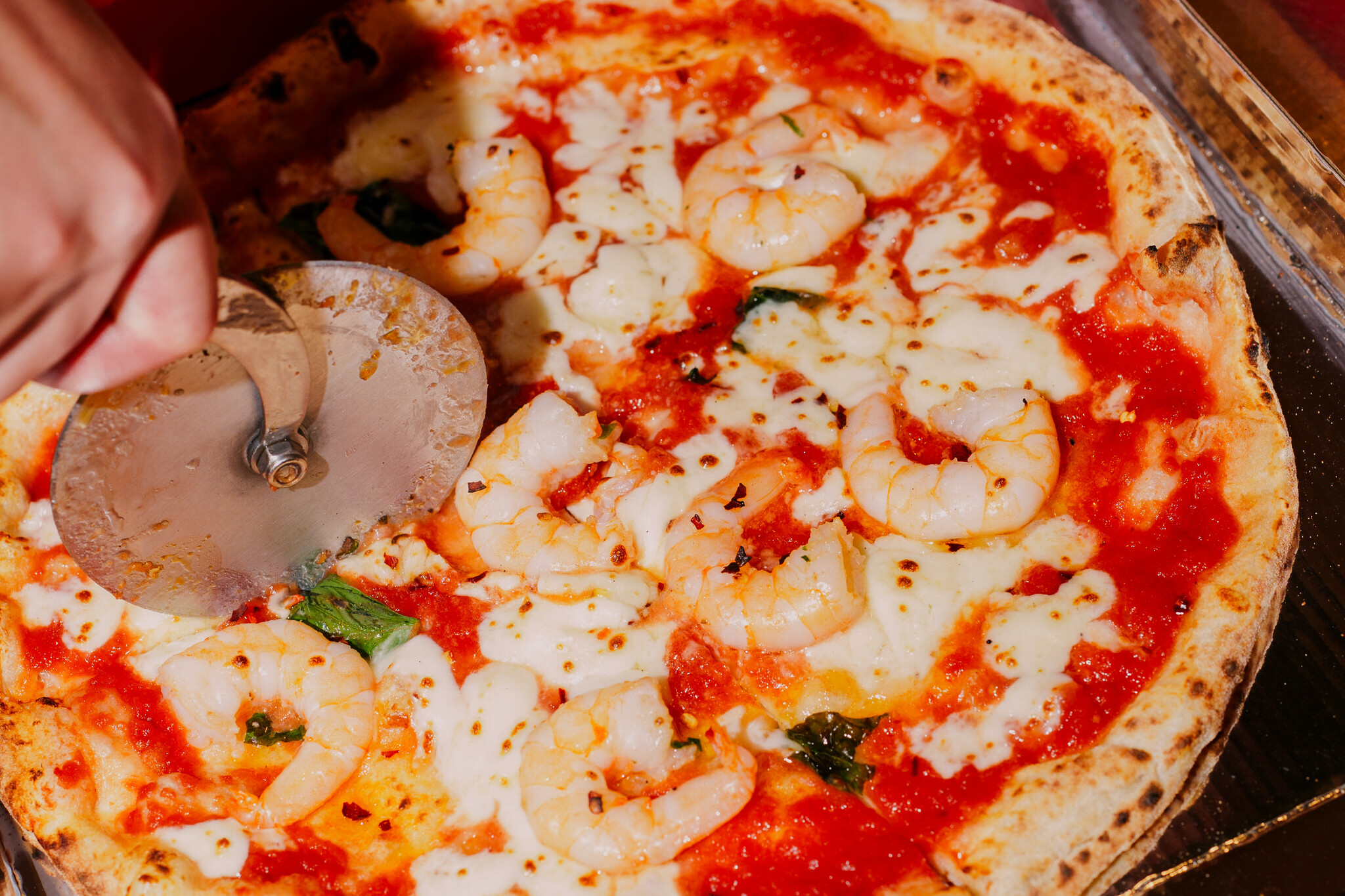
At Via Napoli Pizzeria, Sydney’s Neapolitan Pizzeria, International Pizza Day — celebrated every year on 9 February — is not a marketing occasion. It is a reminder of where Neapolitan pizza came from, how it is made, and why those specifics still matter. Via Napoli Pizzeria, a Neapolitan pizza restaurant with locations in Surry Hills and Lane Cove, Sydney, was built around the same tradition that International Pizza Day honours: dough worked by hand, a wood-fired oven burning at extreme heat, and ingredients chosen for what they actually taste like.
Whether you visit Via Napoli Pizzeria Surry Hills or Via Napoli, an Italian restaurant in Lane Cove, both kitchens hold to that same standard.
Here is the story of that tradition — and of the day that celebrates it.
When Is International Pizza Day?
International Pizza Day is celebrated every year on 9 February. The name is sometimes used interchangeably with National Pizza Day, which refers to the same date and the same celebration. Both terms honour the history and craft of pizza-making, with a particular focus on the Neapolitan origins of the dish.
The date is not tied to a specific historical moment — it emerged as an informal food celebration and has grown through the participation of pizzerias, food writers, and pizza communities around the world. By any name, it marks something worth honouring.
What International Pizza Day Actually Celebrates
International Pizza Day honours the origins of pizza, the craftspeople who preserve traditional techniques, and the role pizza plays as a shared meal rather than a convenience food. At its core, it is recognition that pizza — made the right way — belongs to a living cultural tradition, not a fast-food category.
That distinction has become more important over time, as the word “pizza” has come to cover an enormous range of food. Real Neapolitan pizza and a frozen supermarket disc share little beyond a round shape. International Pizza Day is an annual prompt to think about what the original actually looks like: hand-stretched dough, a short list of quality ingredients, and an oven hot enough to cook the whole thing in 60-90 seconds.
Where Pizza Came From: The Naples Story
Modern pizza originated in Naples, Italy, in the 18th century, when tomatoes — newly arrived from the Americas — were combined with flatbread, cheese, and olive oil and baked at high heat. The combination did not appear in one moment. It developed over decades in the street markets and working-class neighbourhoods of Naples, sold by vendors to labourers and sailors who needed something filling and cheap.
The pizzaiuolo — the pizza maker — emerged as a specialist trade during this period. Techniques were passed between families and across generations, and the craft became embedded in Neapolitan street life in a way that went beyond food. By the 19th century, pizza had moved from street vendors into dedicated restaurants. By the 20th century it had followed Italian migrants around the world.
The dish’s most-cited origin story involves the visit of Queen Margherita of Savoy to Naples in 1889. According to the widely told account, a Neapolitan pizzaiuolo named Raffaele Esposito prepared several pizzas for the queen; her favourite was topped with tomato, mozzarella, and basil — the colours of the Italian flag. Whether or not every detail of the story holds up, the Margherita became the template for modern pizza: simple ingredients, clean balance, and nothing added for its own sake.
Italian emigrants carried pizza to the United States in the late 19th century. The first documented American pizzeria, Lombardi’s, opened in New York City in 1905. Regional styles developed from there — New York, Chicago, Sicilian — but the Neapolitan original remained the reference point against which every other version was measured. To understand what still sets that original apart today, see our guide to what makes Neapolitan pizza different from other styles.
The UNESCO Recognition That Changed the Story
In 2017, UNESCO added the art of Neapolitan pizza-making — the pizzaiuolo tradition — to its Representative List of the Intangible Cultural Heritage of Humanity. The recognition placed pizza-making alongside folk music, ritual practices, and traditional craft techniques as something worth actively protecting and transmitting to future generations.
The designation covered not just the recipe but the physical technique: the way dough is stretched by hand using a specific motion, the loading of the pizza onto a long-handled wooden peel and into a domed wood-fired oven, and the specific ingredients that define an authentic Neapolitan pizza — 00-grade flour, San Marzano tomatoes grown on the slopes of Mount Vesuvius, and buffalo mozzarella or fior di latte. These are not interchangeable details. They are part of what was recognised.
Understood in this light, International Pizza Day is a quiet acknowledgment of what UNESCO formalised: that making pizza the right way is a skilled cultural practice with a real history, and that the practice is worth keeping.
The Wood-Fired Oven and Why It Cannot Be Separated from the Tradition
The wood-fired oven is not a stylistic addition to Neapolitan pizza-making — it is the method, and it has remained so since the 18th century. A Neapolitan pizza oven burns at between 430–480°C. At that temperature, a pizza cooks in 60-90 seconds: long enough for the underside to take on light char marks, the tomato to reduce and concentrate, and the mozzarella to melt without releasing excess moisture.
What this produces is the cornicione — the raised edge of the crust — that is airy and charred at the rim, thin and pliable toward the centre. The extreme heat seals the outer surface of the dough almost immediately, trapping moisture inside. A pizza baked in a domestic oven at 220°C takes eight to twelve minutes, and that extended time changes the structure of the dough and the character of the toppings in ways that are difficult to compensate for.
At Via Napoli, the dough goes through a 8-hour cold fermentation before it reaches the oven. That process allows the gluten to relax fully and the natural yeasts to develop flavour slowly. The tomato sauce uses Solania San Marzano DOP tomatoes — a protected designation of origin variety grown in volcanic soil near Mount Vesuvius. The wood-fired oven finishes the pizza in the time it takes to turn and retrieve it. For more on how the method itself works, read our full guide to wood-fired pizza and why it tastes different.
Celebrating International Pizza Day in Sydney
For anyone in Sydney wanting to mark International Pizza Day with pizza made to the Neapolitan standard, the date falls on 9 February. Both a reason and an occasion.
Via Napoli Pizzeria, recognised in the Gambero Rosso Top Italian Restaurants 2026 guide, serves Neapolitan pizza from wood-fired ovens at its restaurants in Surry Hills and Lane Cove. The dine-in menu includes classic Neapolitan pizzas alongside pasta, antipasti, and Italian desserts — the kind of meal the day was probably intended to encourage.
Reservations are recommended, particularly at the Surry Hills restaurant where demand on and around International Pizza Day tends to be strong.
Know someone who won’t make it in on the day itself? A Via Napoli gift card lets them mark the occasion whenever they can.
Book a table for International Pizza Day →
Frequently Asked Questions
When is International Pizza Day?
International Pizza Day is celebrated every year on 9 February. The date is sometimes referred to as National Pizza Day, but both names refer to the same annual celebration on the same date.
What is the difference between International Pizza Day and National Pizza Day?
International Pizza Day and National Pizza Day refer to the same date — 9 February. The names are used interchangeably. There is no formal distinction between them; both mark the same annual celebration of pizza’s origins and culture.
Where did pizza originate?
Pizza originated in Naples, Italy. The modern version of the dish developed in the 18th century, when tomatoes were combined with flatbread, cheese, and olive oil in the working-class neighbourhoods of Naples. Before that, similar flatbreads without tomatoes existed, but the combination we now recognise as pizza came from Naples.
What is the history of pizza?
Pizza developed in Naples, Italy, in the 18th century as a street food for labourers and sailors. It was made by specialist pizza makers known as pizzaiuoli, who passed their techniques across generations. Italian emigrants carried the dish to the United States in the late 19th century, and the first documented American pizzeria — Lombardi’s in New York City — opened in 1905. Regional styles developed across America and later worldwide, but the Neapolitan original remained the standard the craft was measured against.
What did UNESCO recognise about Neapolitan pizza-making?
In 2017, UNESCO added the art of Neapolitan pizza-making — the pizzaiuolo tradition — to its Representative List of the Intangible Cultural Heritage of Humanity. The recognition covered the physical technique of stretching dough by hand, the use of a wood-fired oven, and the specific ingredients associated with authentic Neapolitan pizza, including San Marzano tomatoes and buffalo mozzarella.
Why is wood-fired cooking central to International Pizza Day?
Wood-fired cooking is inseparable from the Neapolitan tradition that International Pizza Day celebrates. A wood-fired oven burns at between 430–480°C and cooks a pizza in 60-90 seconds — a method that produces the soft, lightly charred crust characteristic of authentic Neapolitan pizza. International Pizza Day honours this tradition as much as the dish itself.
How can I celebrate International Pizza Day in Sydney?
International Pizza Day falls on 9 February each year. In Sydney, Via Napoli Pizzeria serves authentic Neapolitan pizza from wood-fired ovens at restaurants in Surry Hills and Lane Cove. Via Napoli Pizzeria is listed in the Gambero Rosso Top Italian Restaurants 2026 guide. Reservations are recommended.

Via Napoli is Sydney’s home of authentic Neapolitan pizza, founded by Naples-born pizzaiolo Luigi Esposito. Luigi grew up in Naples helping his grandmother sell pizza fritta on the streets before training in professional kitchens and mastering the craft of traditional Neapolitan pizza-making. He brought those traditions to Sydney when he opened Via Napoli in Lane Cove in 2011 — introducing the city to properly wood-fired Neapolitan pizza: long-fermented dough, premium Italian ingredients, and high-temperature ovens that produce the soft, airy, charred crust that defines the real thing.
Now with two locations in Surry Hills and Lane Cove, Via Napoli is one of Sydney’s most-searched Italian restaurants and a Gambero Rosso Top Italian Restaurants 2026 recipient. This blog draws on over a decade of hands-on experience with Neapolitan pizza to cover the craft and culture behind what we do — from dough fermentation and regional pizza traditions to menu guides, dining occasions and the people who make it all happen.