
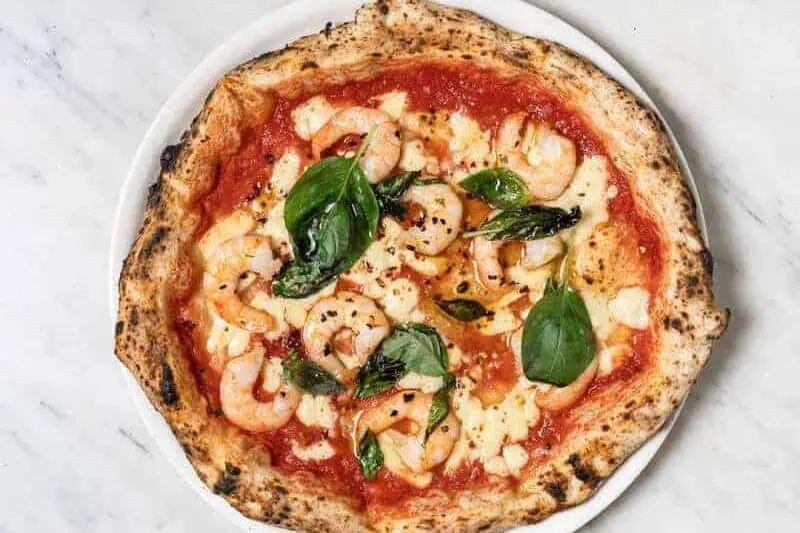
Pizza doesn’t always have the best reputation when it comes to feeling light or comfortable after eating. But in Italy — particularly in Naples — pizza has long been enjoyed as a balanced, everyday food, not a heavy indulgence.
That difference becomes especially important when ordering takeaway pizza. Heavy, oil-rich pizza can leave you feeling sluggish — particularly when eaten at home in larger portions. Traditional Neapolitan pizza is made and cooked very differently.
Here’s why Neapolitan pizza is widely considered easier to digest — and why that difference matters.
It Starts with the Dough
At the heart of Neapolitan pizza is naturally fermented dough.
Traditional dough is made using:
- Simple ingredients (flour, water, yeast, salt)
- Long fermentation times
- Careful hydration levels
This slow fermentation allows yeast to break down complex starches in the flour, resulting in dough that’s lighter, airier and easier for the body to process.
👉 Learn how traditional Neapolitan dough is made
High-Heat Cooking Makes a Big Difference
Neapolitan pizza is cooked in wood-fired ovens reaching 450–500°C, with baking times of just 60–90 seconds.
This intense heat:
- Seals the dough quickly
- Preserves moisture
- Prevents dryness and heaviness
Long, slow oven baking can dry out pizza and make it feel dense. Neapolitan pizza avoids that entirely.
👉 Understand why wood-fired ovens matter
Why Neapolitan Pizza Is Better for Takeaway
When you order authentic takeaway pizza, the structure of the dough matters just as much as the flavour.
Because Neapolitan dough is properly fermented and cooked quickly at high heat, it remains light rather than dense. That means it travels better, doesn’t become greasy as it cools, and reheats far more effectively than heavily processed alternatives.
If you’re planning a night in, choosing properly fermented wood-fired pizza makes a noticeable difference — both in taste and how you feel afterwards.
👉 Order authentic wood-fired takeaway pizza
Fewer, Better Ingredients
Another reason Neapolitan pizza feels lighter is its simplicity.
Traditional toppings are minimal and intentional:
- San Marzano tomatoes
- Fior di latte or buffalo mozzarella
- Extra virgin olive oil
- Fresh basil
There’s no overload of cheese, oil or processed toppings — just balance.
This allows flavours to shine without overwhelming the body.
If you’d like to enjoy these ingredients at home, explore our takeaway options:
The Soft, Airy Crust Isn’t a Flaw — It’s the Point
Neapolitan pizza is meant to be:
- Soft in the centre
- Light at the edges
- Easily folded
That texture comes from proper fermentation and fast cooking, not undercooking. The result is pizza that feels satisfying without sitting heavily.
Why Digestibility Matters More Than You Think
In Italy, pizza is often enjoyed:
- Late at night
- As part of long social meals
- Without the expectation of discomfort
That’s because traditional pizza is designed to be enjoyed, not endured.
Feeling good after a meal isn’t a bonus — it’s part of the philosophy.
Experiencing Neapolitan Pizza the Traditional Way
At Via Napoli Pizzeria, Neapolitan pizza is made using traditional fermentation methods, high-heat wood-fired ovens and carefully chosen ingredients — staying true to the style developed in Naples.
The result is pizza that’s rich in flavour, but lighter in feel.
👉 Experience Neapolitan pizza in Surry Hills
👉 Enjoy authentic Italian pizza in Lane Cove
👉 Order wood-fired takeaway pizza
A Better Way to Enjoy Pizza
Neapolitan pizza shows that pizza doesn’t need to be heavy to be satisfying.
With the right dough, the right heat and the right ingredients, pizza becomes what it was always meant to be: simple, balanced and joyful.
Curious to try it for yourself?
👉 Book a table and experience Neapolitan pizza
👉 Order takeaway pizza
Frequently Asked Questions
Neapolitan pizza uses naturally fermented dough, minimal toppings and very fast cooking at high temperatures, which together create a lighter texture that’s easier to digest.
Yes. Longer fermentation breaks down starches in the dough, making it gentler on digestion and improving flavour and texture.
Often, yes. Wood-fired ovens cook pizza quickly at high heat, preventing the dough from drying out or becoming dense.
While not a health food, Neapolitan pizza is generally less heavy than many modern pizza styles due to simpler ingredients, less oil and proper fermentation.
The soft centre is intentional and results from high hydration dough and fast cooking — it’s a hallmark of authentic Neapolitan pizza.